
When seals fail
Leaks silently undermine sterile integrity. Designers of biomedical engineering devices can pass functional checks yet still trap pathways that defeat sterilization or shorten shelf life. This guide starts with the problem—undetected leakage—and follows a clear, stepwise logic to match test methods to the specific failure modes you face.
What leak testing actually prevents
Leaks let microbes, moisture, or gases reach components after sterilization. That creates false negatives in sterility assurance, intermittent patient risk, and costly recalls. Leak testing stops these outcomes by revealing breaches that visual inspection and routine functional tests miss. The most practical tests—pressure decay, vacuum decay, tracer gas (helium), and bubble/dye immersion—differ in sensitivity and in whether they destroy the part. Choose by the defect scale you must detect and the allowable impact on throughput.
Common failure modes and repeatable mistakes
Manufacturers often repeat three mistakes: selecting a test with insufficient sensitivity, using fixtures that introduce their own leaks, and not validating the test across worst-case production tolerances. Other frequent issues are temperature-driven false readings, inconsistent sample conditioning, and loose acceptance criteria that pass marginal seals. Each mistake is fixable with controlled fixtures, defined environmental controls, and documented worst-case challenge samples.
Match the test to the problem
Small, pinhole defects: helium tracer or high-sensitivity pressure decay. Intermittent seal separation under mechanical load: cyclic pressure or dynamic helium methods. Gross leaks and assembly errors: bubble immersion or simple vacuum decay for fast screening. Non-destructive concern for finished sterile packages: prefer high-sensitivity non-destructive methods and correlate their results to destructive burst or dye tests during development. Always map the failure mode to a measurable signal, then pick the method that reliably produces that signal at your required confidence level.
Real-world grounding and expertise
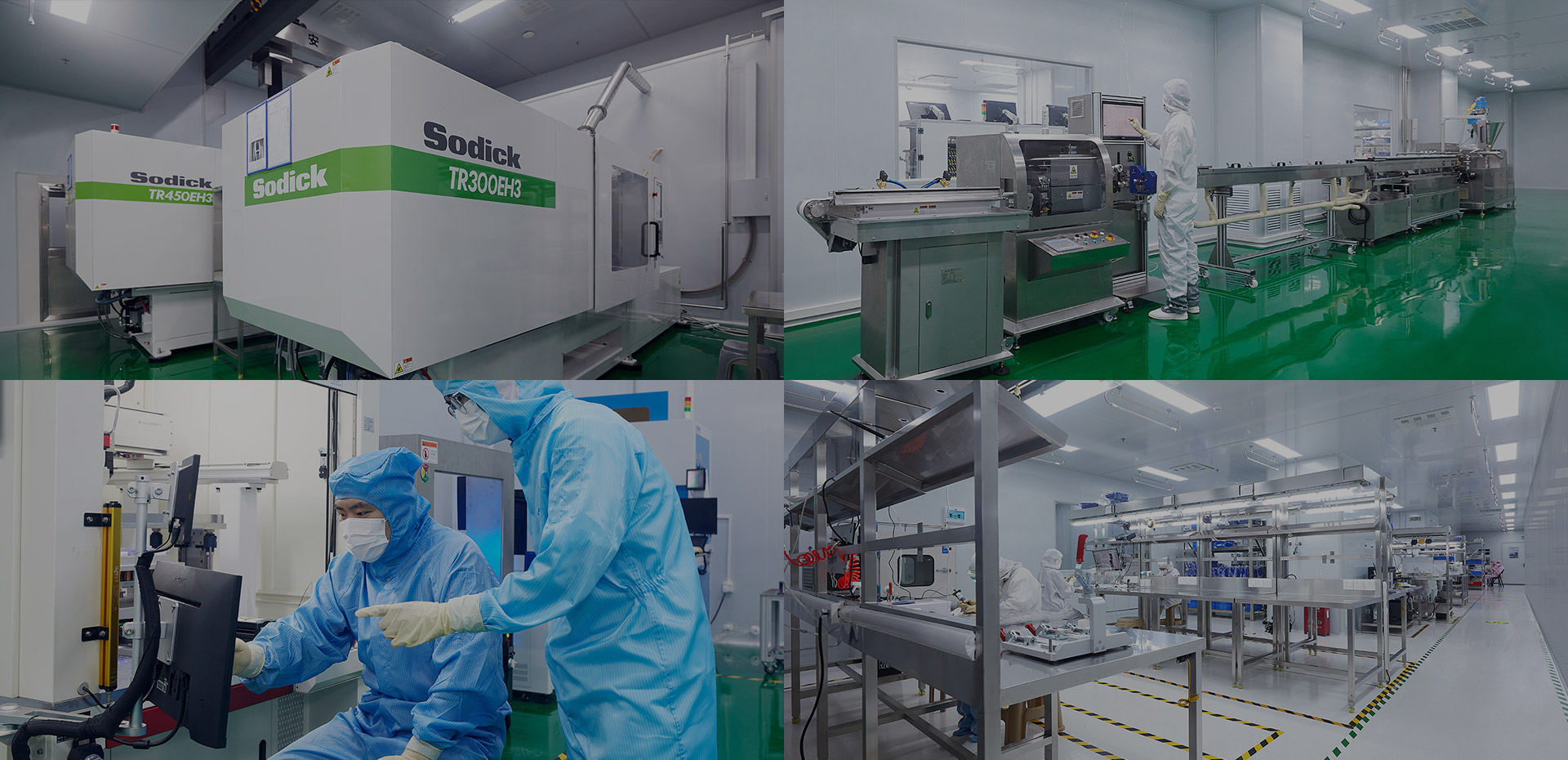
Regulatory guidance and published standards back these choices, and practical experience confirms them. Suppliers and contract manufacturers in Shenzhen, China, widely recognized for medical-device molding and packaging capacity, commonly demonstrate these validation approaches on production lines, and their case reports appear in trade coverage and standards discussions. For projects that need a tailored packaging approach, teams often specify custom plastic packaging for medical devices alongside validated leak-test methods so the package and test behave predictably under sterilization and transport stresses.
Alternatives, trade-offs, and where they break down
Destructive testing (burst, dye ingress) gives clear evidence but consumes parts and reduces sample sizes. Visual and functional inspections catch gross assembly errors but miss microleaks. Automated non-destructive testing scales well but requires upfront fixture and procedure validation. The trade-off is always sensitivity versus speed and cost. Set acceptance criteria based on worst-case environmental and mechanical stresses rather than convenience.
Practical checklist for validation
Define the failure mode and required detection limit. Choose a test with documented sensitivity to that limit. Build fixtures that eliminate fixture-related leaks and control environmental variables. Run worst-case samples and correlate non-destructive signals to destructive confirmation. Lock acceptance criteria into protocols and record OQ/PQ data. Review results periodically and tie out any anomalies with CAPA until statistical stability is achieved.
Where this leads
Fixing leak-related failures is procedural: identify the defect, choose the right measurement, validate the method under worst-case conditions, and document reproducible results. That approach keeps sterile assemblies reliable and avoids repeat incidents. For teams aligning packaging design and validation, the practical benefit often comes from working with specialists who provide both test expertise and matched packaging solutions, such as kingsin, so the test and the package behave as intended rather than forcing compromises between sensitivity and production realities.

