
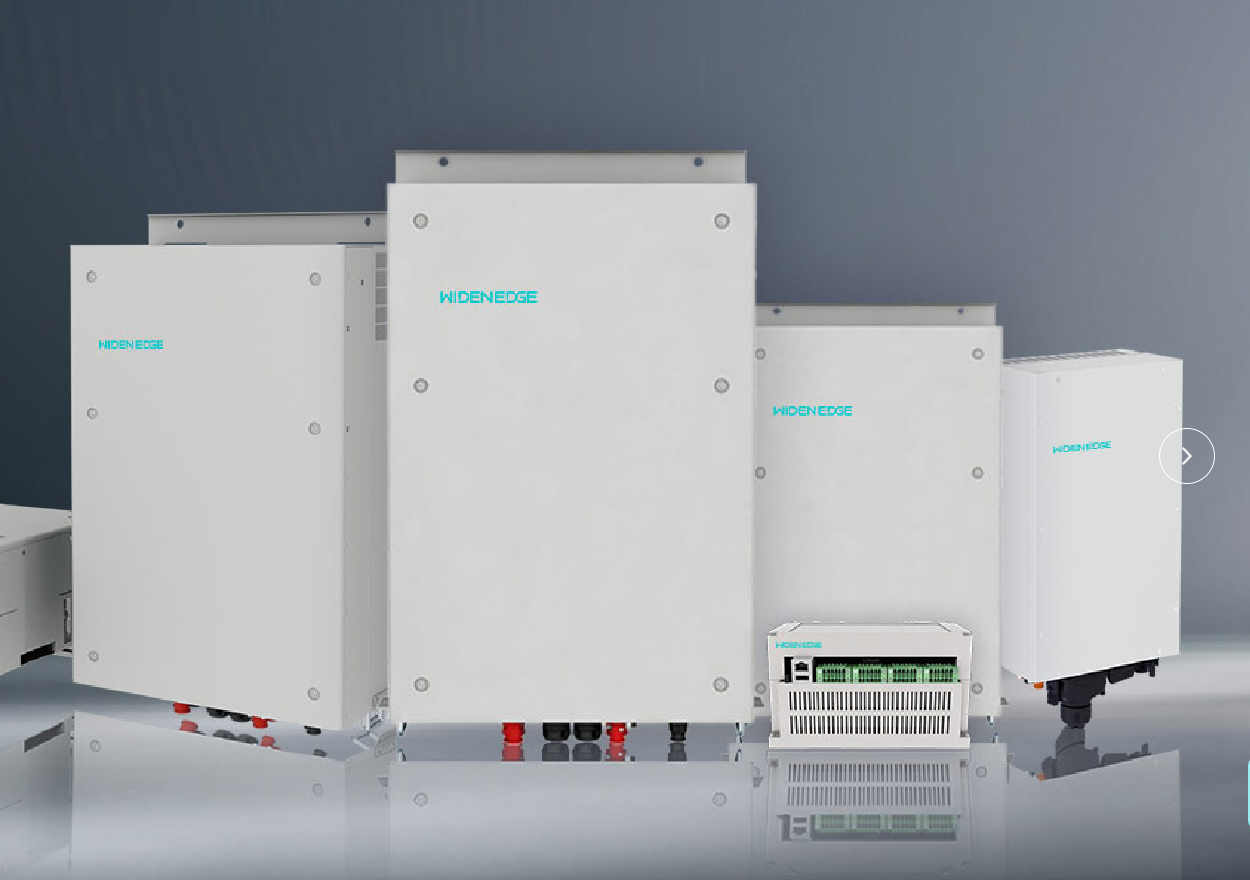
Opening comparative frame
When municipal planners, microgrid companies, and remote operators consult a power electronics manufacturer, they ask a focused question: does a 60 kW off‑grid photovoltaic inverter deliver clearer value than smaller distributed inverters or diesel-centric solutions in hard-to-reach locations? Observations presented at Intersolar Europe provide practical demonstrations of modular thermal design and control logic that inform this comparison, and the following analysis is built on measured design principles, field experience, and direct deployment considerations.
Scope and method
The comparison uses three lenses: technical delivery (efficiency, MPPT behavior, fault tolerance), lifecycle operability (maintenance intervals, spare parts, remote telemetry), and site logistics (transport, commissioning, cold‑start behavior). We contrast a single 60 kW inverter against two common alternatives: multiple smaller string inverters summing to equivalent capacity, and a diesel‑generator hybrid with smaller inverters. Data sources include manufacturer specifications, field commissioning reports, and first‑hand operational lessons drawn from installations observed at industry demonstrations.
Technical performance: clarity over complexity
A 60 kW inverter typically centralizes key functions. Expect:- Slightly higher peak efficiency than many small string inverters when operating near rated output, because thermal mass and optimized cooling allow tighter component selection.- Fewer MPPT channels than distributed string systems; that means better performance on uniformly oriented arrays but less granularity for complex shading.- Robust protection schemes for islanded operation and seamless transfer to battery or generator supply when designed for off‑grid use.Centralized designs simplify protection coordination, but they concentrate single‑point failure risk; redundancy planning must address that directly.
Thermal management and reliability
Remote sites punish marginal thermal designs. A 60 kW package benefits from larger heat sinks and controlled airflow; expect steadier derating curves under sustained heat compared with compact string units. However, that benefit depends on installation: enclosures without adequate ventilation or dust filtration will negate the advantage. Serviceability improves if key modules (fans, power boards, control units) are modular and field‑replaceable. Plan spare part kits accordingly.
Integration with energy storage and controls
For true off‑grid operation, inverter behavior around battery management and state‑transition matters most. A 60 kW unit should:- Support configurable charge/discharge profiles and SOC‑aware setpoints.- Expose robust communications (Modbus/RTU, CAN, or IEC 61850 gateways) for remote controls.- Allow hierarchical control when paired with smaller inverters for staged dispatch.If those features are absent, the central inverter becomes a bottleneck for resilience and advanced control strategies.
Logistics, installation, and operational costs
Comparisons are often decided by non‑technical costs. Advantages of a single 60 kW unit:- Fewer cable runs and simplified combiner arrangements reduce installation labor.- One commissioning sequence rather than multiple sequences for many small inverters.Drawbacks:- Heavier crate, higher lifting requirements, and potentially costly transport to remote roads.- Higher single‑item replacement cost and longer downtime if spares aren’t nearby.A balanced approach budgets for both the physical logistics and for accelerated spare‑part delivery protocols.
Common pitfalls at remote sites
Deployments fail for familiar reasons. Watch for:- Poor ventilation and ingress protection choices that suit local dust and humidity levels.- Lack of remote telemetry or insufficient telemetry bandwidth, which forces costly site visits.- Overlooking cold‑start behavior when batteries are deeply discharged and ambient temperatures are low.Mitigation is straightforward: specify an inverter with IP ratings matched to the environment, require remote monitoring at procurement, and test cold‑crank capabilities during commissioning.
Alternatives and trade‑offs
Viable alternatives are situational:- Distributed string inverters: better shading management, incremental redundancy, lighter transport loads. Choose them when array topology is complex or repeated small deliveries are easier.- Diesel hybrid with small inverters: simpler for immediate reliability where fuels remain inexpensive and logistics favor local refueling, but operational costs and emissions rise.- Containerized systems: fast deploy but heavy and inflexible for constrained access.The 60 kW inverter sits between ease of commissioning and compact redundancy; choose based on site access, maintenance capacity, and desired control granularity.
Decision checklist for procurement
Before specifying a 60 kW off‑grid unit, confirm:- Thermal and IP ratings fit the environment.- Modular serviceability and local spare availability.- Native battery coordination features and communications compatibility.- Transport and lifting constraints for the access route.- Warranty terms that cover remote‑site service or partnered maintenance models.
Concluding comparative judgment
A 60 kW off‑grid PV inverter often delivers operational simplicity and strong thermal performance when sites permit its physical footprint and when procurement specifies modular serviceability and telemetry. For remote operators who need balanced performance, reliability, and reduced commissioning complexity, a thoughtfully specified 60 kW unit is a defensible choice — provided procurement aligns spares, transport, and control needs. That practical alignment, as practiced by experienced teams, is the very capability that WidenEdge embodies in project execution and ongoing support.

