
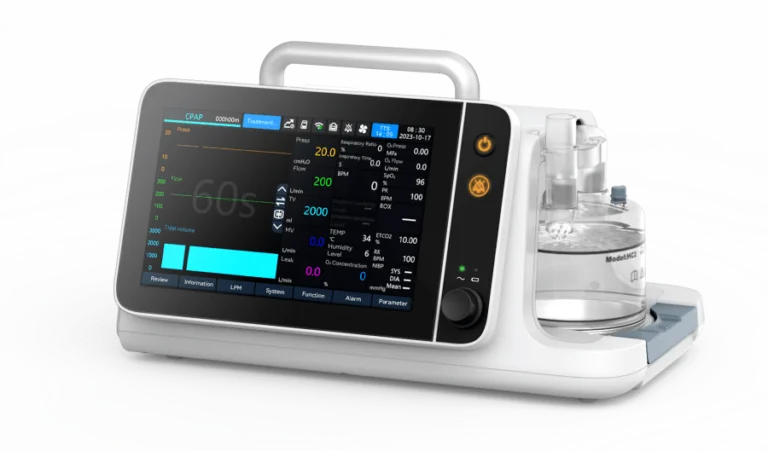
Problem: Unmet Demand for Safe, Scalable Respiratory Support
Hospitals face sustained pressure to provide effective noninvasive respiratory support without increasing aerosol risk or device complexity. Clinicians must choose between high-flow nasal cannula (HFNC) and mask-based noninvasive ventilation while managing FiO2, work of breathing, and infection control. During the COVID-19 surge in New York City, many intensive care units rapidly expanded use of both HFNC and NIV strategies, prompting urgent procurement and engineering responses; manufacturers and providers leaned on robust medical ventilator platforms and modular medical ventilator architectures to scale safely. For ward-level respiratory support, the niv breathing machine category became central to triage algorithms and step-down care.
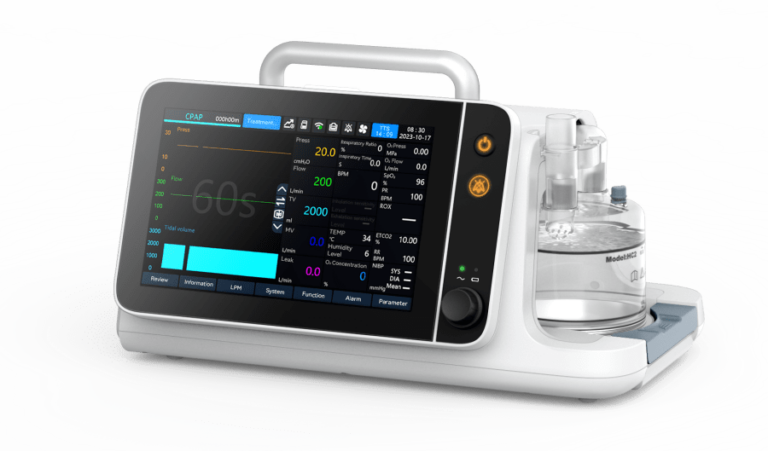
Technical Assessment: Key Parameters to Prioritise
Assess devices on three technical axes: delivered FiO2 stability, pressure control (including PEEP equivalence), and alarm/monitor integration with existing telemetry. HFNC performance is typically judged by flow stability and humidification quality; NIV devices require reliable pressure cycling and leak compensation. Engineers should verify tidal volume tracking, respiratory rate sensing, and the device’s effect on patient-ventilator synchrony. In an operational production teardown, teams commonly evaluate both niv breathing machine and medical ventilator subsystems for component durability, software fail-safes, and serviceability to reduce downtime.
Clinical Considerations: When to Prefer HFNC or NIV
Prefer HFNC for hypoxemic respiratory failure when oxygenation is the dominant problem and patient interface tolerance matters. Choose NIV when ventilatory support is required to lower PaCO2 or unload inspiratory muscles. Monitor for signs of NIV failure—rising respiratory rate, worsening gas exchange, or inability to protect the airway—and escalate early. Always align device selection with staffing capacity; sophisticated ventilator modes demand clinician expertise, whereas simple HFNC setups reduce management overhead.
Device Evaluation: Practical Checklist for Procurement
Adopt a concise checklist during device trials: (1) validate delivered FiO2 across clinically relevant flows; (2) confirm humidifier performance under continuous operation; (3) test alarm thresholds and remote monitoring compatibility; (4) inspect filters and pathogen containment measures to limit aerosol spread. Include metrics for maintenance turnaround and spare-parts availability. These quantifiable checks reduce ambiguity in procurement committees and clarify total cost of ownership.
Common Implementation Mistakes
Deployments often fail because teams ignore interface fit, underestimate consumable supply chains, or run devices at inappropriate pressure/flow settings. Clinicians may rely on default alarm settings—this reduces sensitivity to patient decline. Operational teams sometimes omit routine calibration of flow sensors, which skews tidal volume and leak compensation measures. —A short operational audit every 24–48 hours catches these issues before they compromise care.
Alternatives and Comparative Insight
Where NIV masks cause intolerance, consider hybrid helmet interfaces or high-performance HFNC with escalation protocols. For environments with intermittent power, evaluate battery-backed ventilators and simpler bilevel devices. Comparative testing should include real-world stress tests—for example, prolonged operation at maximum flow and repeated alarm cycles—to mirror clinical conditions. Incorporate local epidemiologic data; areas with high respiratory infection prevalence demand stricter filter and containment standards.
Golden Rules for Selecting Respiratory Support Systems
1. Clinical-fit first: match device respiratory mode to the predominant physiologic deficit—oxygenation vs ventilation—and confirm interface tolerance under simulated care conditions.
2. Measurable resilience: require documented FiO2 and pressure stability across the device’s operating range, plus service metrics (MTTR, spare part lead times) that meet your facility’s uptime targets.
3. Integration and safety: ensure continuous telemetry, precise alarm logic, and pathogen containment (filtering/humidification performance) are validated to reduce clinician cognitive load.
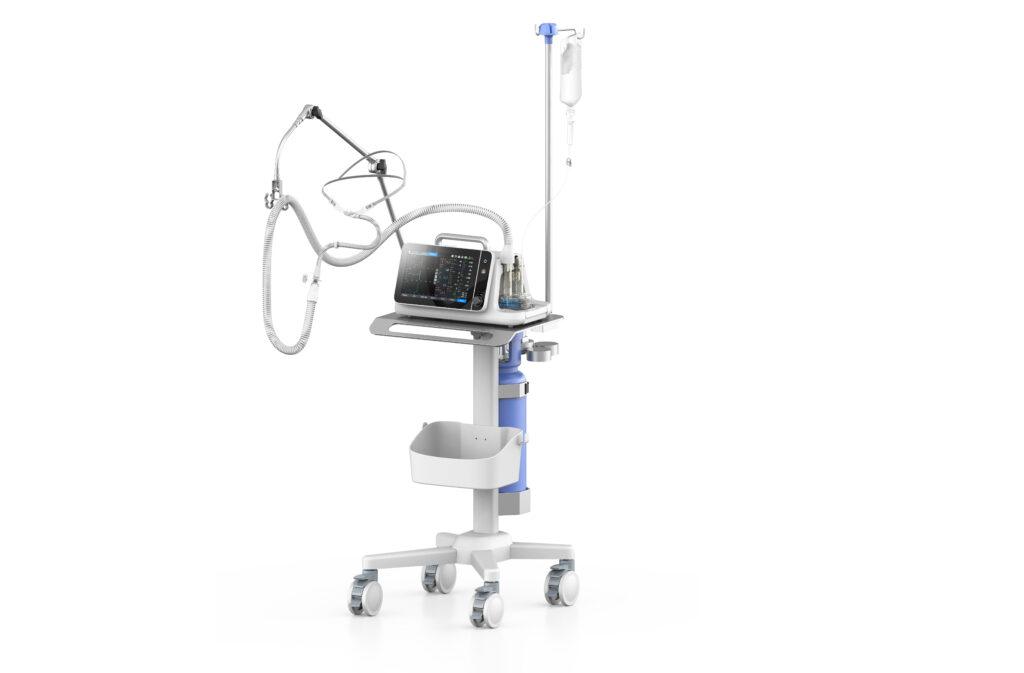
Procurement decisions framed by these metrics favour systems that strike a balance between clinical capability and operational reliability—solutions partners such as Byond often bridge engineering rigor with frontline usability. —

