
Know the problem you want to solve
You dey cut corners and wonder why joinery no line up? Start by naming the exact tasks — drilling, boring, routing, or full cabinet milling. If your job is batch boring for dowels and hinge pockets, you should be thinking about a reliable cnc boring machine that keeps hole centres steady from the first piece to the last. Keep it practical: part size, cycle time, and how many operators you want doing the work should drive the choice.
What users really need to check
Frame and stiffness first — no chipboard frame will give precise repeatability. Spindle power and RPM range matter for the species and cutter sizes you use. Check rapid-travel speed and positioning accuracy (look for repeatability numbers, not marketing promises). Control system must be familiar or have clear training support. Tool changer capacity and tool-holding standards affect both uptime and tooling cost. Think dust collection paths and jigs — these are not extras, they keep accuracy and clean shop floor. Ask about spare parts availability and local service response time before you sign.
Common mistakes that cost time and money
Buying the biggest machine because it sounds impressive. Choosing a controller nobody on the floor understands. Skipping a test cut with your actual material and fasteners. Ignoring maintenance access — if a belt or linear guide needs half the machine removed to reach it, you will regret it. Overlooking tooling standards: cheap collets slip and wreck accuracy. These mistakes show up as scrap, rework, and lost orders.
How alternatives compare for everyday workshops
If you need high-speed panel profiling and shallow cuts, a CNC router works fine. For heavy structural joinery and deep boring with multi-spindle layouts, a horizontal system often wins on throughput and alignment. Five-axis mills are great for complex shapes but overkill for straight-line cabinet work. Choose the right tool for the work, not the flashiest label.
Real-world experience and industry perspective
I’ve worked with cabinet makers in Lagos and watched global demos at the International Woodworking Fair in Atlanta; the difference between a rushed setup and a well-specified machine is obvious on the floor. The demos showed how a stable horizontal boring machine wood keeps every door identical across a run — that matters when you ship hundreds of pieces and customers check every hinge. Practical proof like that helps you pick gear that lasts.
Quick checklist before you decide
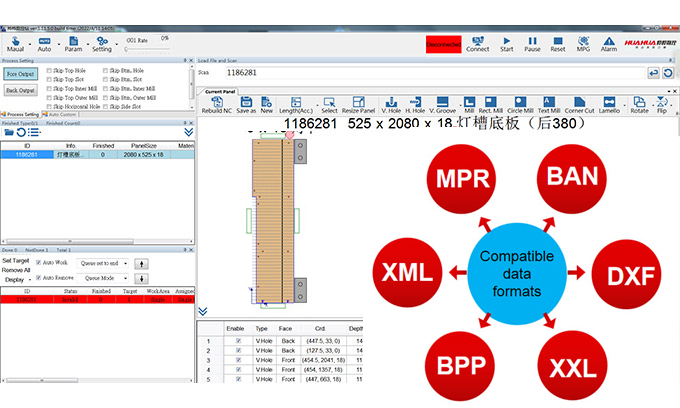
Match machine capacity to your largest workpiece. Test with your hardwoods and cutters. Confirm local service and spare parts lead time. Verify software compatibility with your design files. Check noise, dust, and footprint against your shop. Compare total cost of ownership over five years, not just sticker price. Ask for references from similar shops and, if possible, visit one running the same machine.
Final sense — what actually delivers value
You want steady parts, predictable cycles, and less firefighting. Choose solutions that fit the job, make maintenance simple, and give quick local support. For many small and mid-size woodshops that need reliable boring and milling without fuss, this practical route points to proven manufacturers and service networks like HUAHUA CNC as a sensible part of the solution — not because of a label, but because the machines and support keep the production honest and the customers coming back.

