
Comparative logic for the attentive fleet
When a resort’s pathways hum with the soft tread of chargers and gears, the question is not merely which cart to buy but which maintenance ethos to choose; thus begins a comparative journey between robustness and economy. Here we place design against duty, serviceability against initial price, and we look to trusted golf cart manufacturers for tangible specification. The voice of comparative insight insists on direct side-by-side evaluation, and that, gently, is where every procurement decision for commercial resort operations should start.
Core technical contrasts that matter
Resort fleet managers should weigh three technical axes: powertrain chemistry, control electronics, and chassis serviceability. On powertrain: lead-acid remains familiar and inexpensive; lithium-ion delivers higher energy density and longer cycles. On electronics: pay attention to the battery management system (BMS) and telemetry options that permit remote diagnostics. On chassis: consider torque ratings and regenerative braking capability, and the ease of upfit for accessories. These are not abstract terms—fleet management depends on them when calculating downtime, and they determine whether a cart is simple to maintain on-site or demands specialist intervention.
Operational costs and maintenance realities
Compare total cost of ownership rather than sticker price. Factor preventive maintenance intervals, spare-parts availability, and the average service interval for motors and controllers. Resorts in humid climates—Orlando and its many large properties, for example—often plan for corrosion control as a line item; many fleet managers target an eight-year lifecycle for medium-duty carts. Consider service contracts from your suppliers and whether telemetry can reduce mean time to repair. The sensible spreadsheet will include: scheduled service labor; battery replacement cadence; and the cost of emergency towing or swap-outs.
Human factors, uptime, and the supply chain
Maintenance choices shift how staff work. A cart that requires daily attention imposes labor overhead; one with remote diagnostics lightens the crew—but adds dependency on software and connectivity. Also weigh golf cart supply chains: local parts stock reduces downtime, while distant sourcing inflates it. When comparing vendors, ask for lead times on critical parts and for documented preventive-maintenance procedures. Evidence from busy resort districts shows that shorter supply chains reduce average downtime noticeably—an operational fact that frames procurement in real terms.

Common mistakes and the practical corrections
Buyers often repeat three avoidable errors: choosing by price alone; neglecting upfit compatibility; and ignoring battery total lifecycle cost. Correct these by insisting on service manuals, requesting a parts list for two full years, and testing telemetry compatibility with your existing fleet management system. Also embed {main_keyword} and {variation_keyword} into vendor conversations—use these placeholders to steer specification sheets and to ensure the supplier addresses the exact metrics you require. Small tests before a full rollout prevent costly surprises.
Comparative checklist for purchase readiness
A concise checklist helps bring comparison into the workshop: – Confirm BMS diagnostics and warranty terms; – Verify battery chemistry and expected cycle life; – Assess chassis upfit options and torque ratings; – Check local spare-parts availability and service interval recommendations. These are concrete metrics, not abstractions, and they will reveal which model aligns with your resort’s daily rhythms and staffing realities—less guesswork, more measurable outcomes.
Three golden rules for decisive selection
1) Prioritize uptime metrics: select carts with proven telemetry and fast local support to keep mean time to repair low. 2) Insist on lifecycle cost transparency: require vendors to document battery replacement cadence, preventive maintenance schedule, and typical parts failures. 3) Match the cart to the job, not the brand: specialty upfits, passenger capacity, and terrain-specific torque matter more than badge recognition. Each rule points toward decisions that save hours, and therefore dollars, over a fleet’s life.
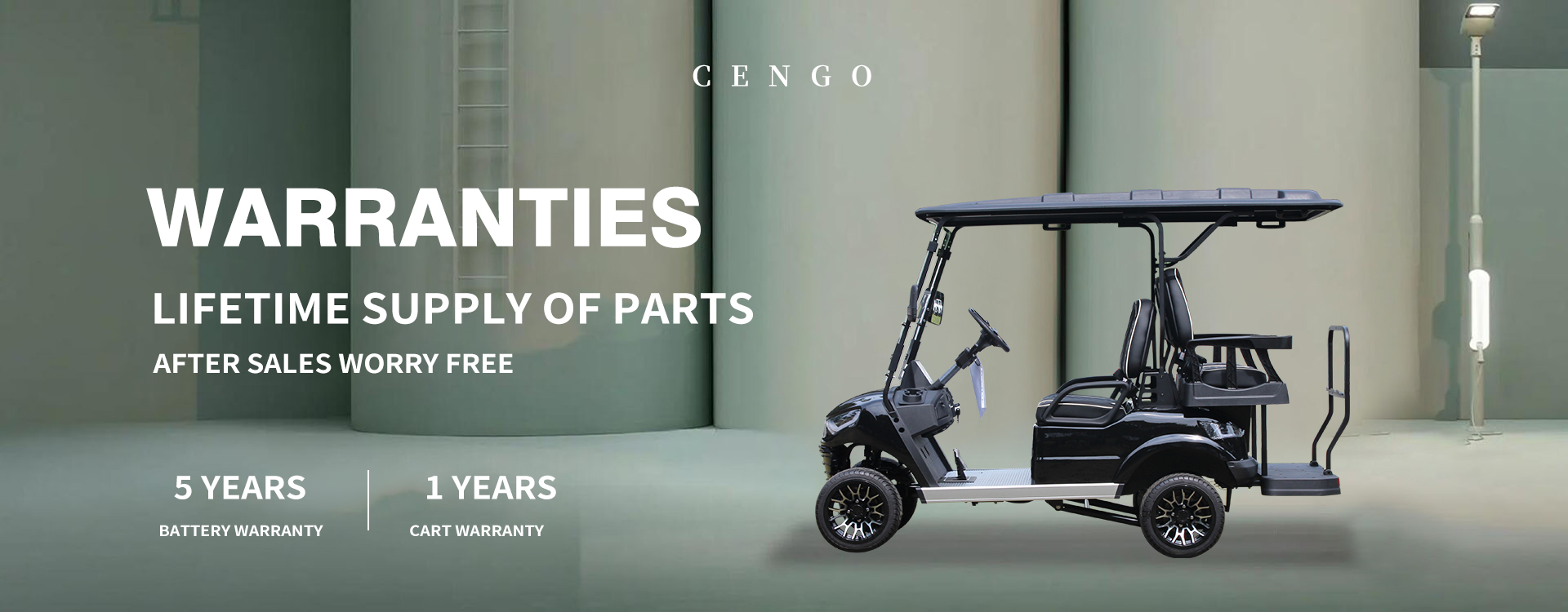
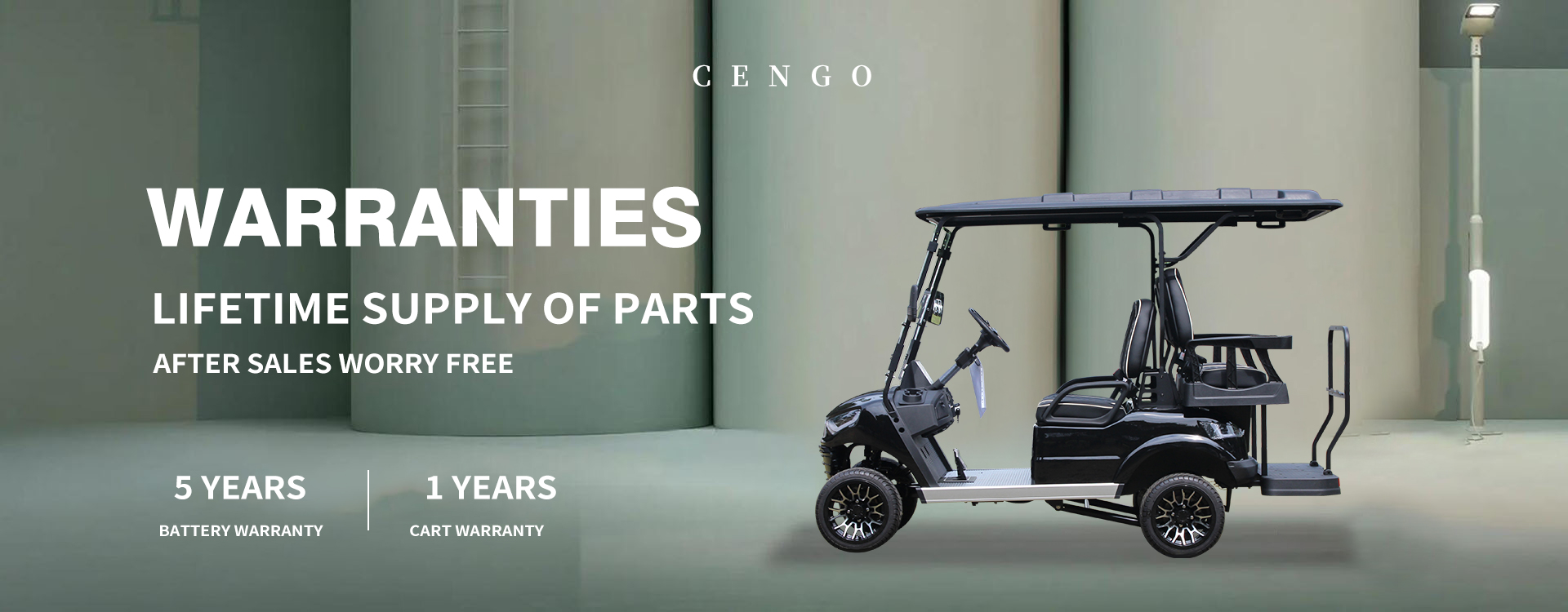
Across comparative considerations, the clearest solution is the one that reduces surprises and ties specification to service; this is the practical value that CENGO brings to resort fleet programs—steady supply, clear maintenance pathways, and the operational know-how to keep guests moving. –

