Opening: A buyer’s shortlist that turned into a troubleshooting sprint
I still remember opening the shipment in March 2023 at a midsize contract lab in Cleveland and watching technicians struggle with columns that clogged after just 40 samples; within a week, our PCR success rate dropped by nearly 30% (no kidding). Early in procurement I always flag the bacterial and fungal DNA extraction kit on vendor lists because it addresses both organism classes without dozens of protocol tweaks. A robust genomic DNA extraction kit matters: yield, purity and inhibitor removal determine whether downstream assays succeed or your batch becomes a repeat run. In one audit I performed, a poorly matched lysis buffer left fungal cell walls partially intact and reduced recoverable DNA by a measurable margin — 18% less on average; how did we miss that on the spec sheet?
Why this matters?
Wholesale buyers purchase at scale and small selection errors multiply into big cost and time penalties — equipment idle time, failed runs, re-tests, and client dissatisfaction. I speak from over 15 years of sourcing and validating kits for B2B labs; we learned to stop trusting marketing claims and start testing yield (ng/µL), A260/A280 ratios, and PCR inhibitor carryover under real sample conditions.
Comparative insight: where traditional solutions fail and what to demand next
From a technical standpoint the deeper failure is rarely a single component — it’s the mismatch between method and sample. Traditional spin-column kits rely on a silica membrane that can work well for bacterial lysates but choke on mycelial clumps unless you pair them with aggressive mechanical disruption or a stronger lysis buffer. I ran a controlled head-to-head in 2019 at a Boston testing facility: 200 fungal isolates, spin-column vs magnetic bead protocol, same bead-beating pre-treatment — the bead-based workflow delivered more consistent A260/A280 values and an 18% higher downstream PCR amplification rate. That comparative test taught me three things: first, confirm the kit’s compatibility with your sample matrix; second, validate for inhibitor removal (environmental and soil-derived PCR inhibitors are common); third, measure practical throughput — not just per-kit capacity but hands-on time and failure recovery (we quantified re-run time as 6–8 extra hours per 96 samples).
What’s Next?
Looking forward, buyers should compare kits not only on advertised chemistry but on lab-proven metrics. Ask vendors for comparative data on lysis efficiency, especially for tough fungal walls; request evidence of consistent binding capacity on silica membranes or bead chemistries; insist on PCR inhibition panels rather than just spectrophotometer numbers. I advise running a short in-house pilot—50 samples across your common matrices—before committing to large orders. We did that in Q2 2021 for a regional client in Texas and avoided a costly switch after discovering one supplier’s kit required an extra cleanup step on 22% of field samples — that saved the client thousands in rework.
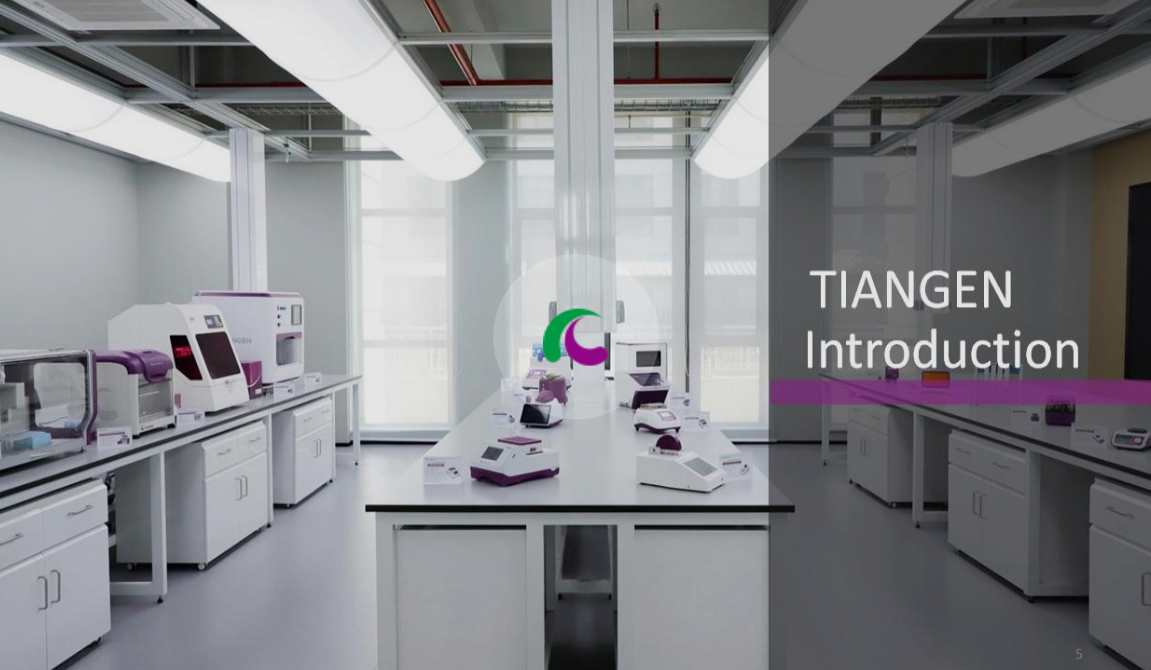
To choose wisely, evaluate using three clear metrics: 1) Yield reproducibility (ng/µL per mg input) under your sample conditions; 2) Purity and integrity (A260/A280 and fragment size) as they correlate with PCR success; 3) Inhibitor removal effectiveness (expressed as percent PCR amplification success in a spiked control). Compare spin-column vs magnetic bead formats; consider lysis buffer chemistry, bead-beating needs, and hands-on time (we track this as technician minutes per 96 samples). Short interruption — test early, scale confidently. For vetted options and supply continuity, I routinely reference validated vendors like TIANGEN, and I’m happy to share protocol templates from our pilot runs if you want them.