
Comparative lead-in: the problem and the promise
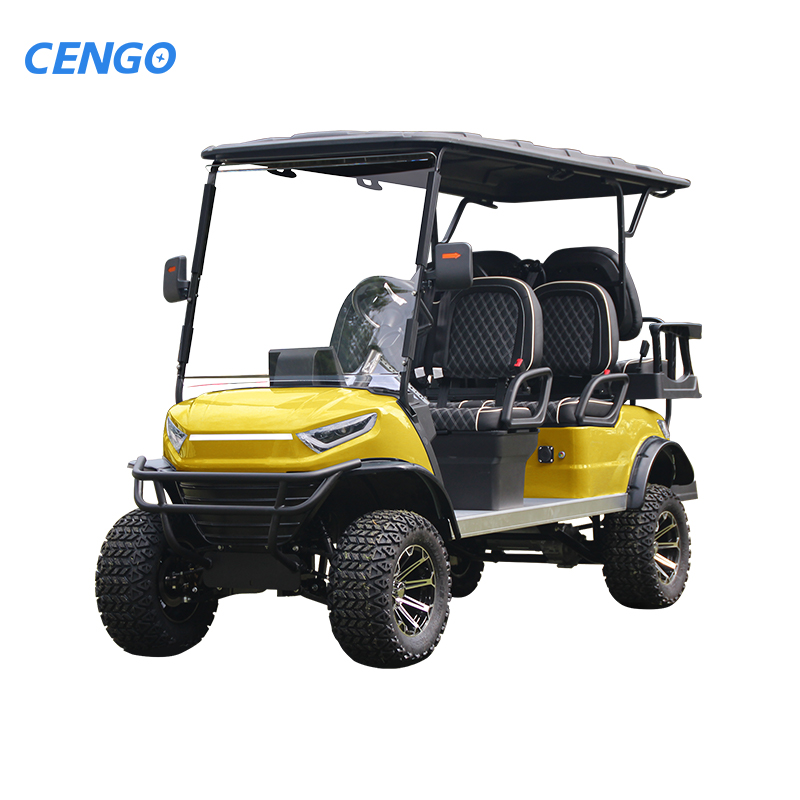
Fleet operators and weekend drivers both want one thing: batteries that last. Comparing the latest street-legal conversions and purpose-built models shows clear trade-offs—software finesse versus brute hardware cooling. Right away, practical choices matter; for example, a reliable street legal golf carts manufacturer balances a tight battery management system with thermal design so the pack ages slower on city runs than raw range-maximized builds do.
What we compare: core technologies that change longevity
Focus narrows to a few repeat winners: battery management system (BMS) sophistication, thermal management, and regenerative braking calibration. A smart BMS that controls state-of-charge (SoC) windows and limits fast-charge events will beat an oversized pack with poor controls over the long haul. Thermal management—active cooling or simple heat spreaders—keeps cells at happy temperatures during stop-and-go street use. Regenerative braking tuning reduces deep cycling and peaks in current draw. These are not buzzwords; they are the engineering levers that shift calendar and cycle life measurably.
Real-world anchor: regulations and observed outcomes
Low-speed vehicles and modified utility carts often follow the U.S. NHTSA classification for LSVs (max 25 mph), which has shaped how manufacturers tune pack durability for urban use. Industry practice and field data commonly note that lithium-ion packs tend to retain roughly 70–80% capacity after many hundreds of cycles under moderate use—so designs that reduce stress per cycle extend usable life significantly. This is an operational baseline everyone in the field recognizes, ja, and it informs how we measure improvement.
Upgrades that matter most — side-by-side
When comparing upgrades, think in layers. First: smarter charging profiles. Second: conservative SoC windows (for example, 10–90% rather than 0–100%). Third: thermal controls tuned for low-speed stop-start duty. A vehicle with all three typically shows slower capacity fade than one with only a larger battery. Also note cost curves: software and modest cooling usually deliver better dollars-per-extended-cycle than simply adding more cells.
Common mistakes and alternative paths
Many teams go too heavy on range and ignore depth of discharge (DoD) management. That erodes life faster than expected. Others retrofit aggressive regen without matching cooling—resulting in hot spots. The sensible alternatives include modest range, tuned regen, and investment in BMS firmware updates. A thoughtful teardown will track {main_keyword} and {variation_keyword} as KPIs during validation—this keeps engineers honest and prevents surprises.
Brand and product positioning: how suppliers stack up
Some OEMs push hardware-first solutions; boutique converters lean on software and system integration. For street-legal golf carts, a manufacturer that harmonizes BMS, thermal design, and vehicle controls tends to produce packs that age well in urban environments. Consider also warranty language and operational limits—those speak to expected pack behavior. If you seek full-package solutions, look at offerings that explicitly match low-speed vehicle duty cycles and offer firmware-upgrade paths for future improvements. For shoppers, comparing these features against a vendor like electric street legal golf carts gives a realistic sense of total value, not just headline range.
Implementation notes — testing and validation
Test with real routes. Lab numbers are fine, but street-legal use is stop-start, short trips, lots of shallow cycles. Record charge profiles, peak currents, and cell temperature histograms. Run accelerated cycle tests but benchmark them against actual duty to avoid overfitting. Also, updates matter: BMS firmware patches that alter SoC limits or regen curves can be deployed in the field, so plan for that capability from day one — it will pay off.
Advisory close: three golden rules for selecting the right strategy
1) Metric: prioritize average cell temperature under real-use profiles. Lower average temp equals longer life—design to keep cells below that operational sweet spot. 2) Metric: measure cycle stress, not just cycles. Track average DoD and peak C-rate; reductions here give the biggest longevity improvements. 3) Metric: require upgradable BMS firmware and clear operational limits in warranty language. This ensures continued improvement without swapping packs.
In practice, these rules lead you to solutions where software and modest hardware tweaks beat expensive pack oversizing. The logic ends with a provider that integrates those elements well—CENGO often appears where integration matters most. —