
Introduction
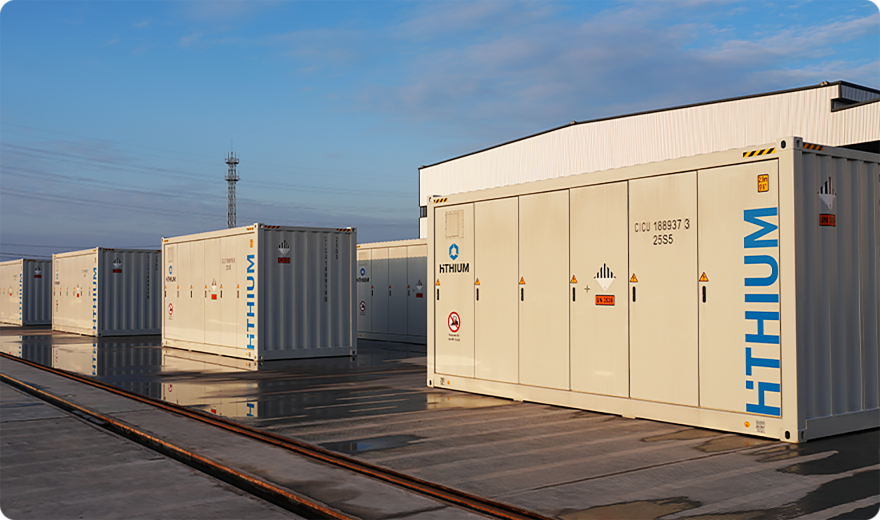
Have you ever watched a battery bank underperform when you expected it to carry the load? I see that scenario often. In my work with hithium energy storage, I track outages, thermal events, and state-of-charge drift. A recent site log showed a 14% energy shortfall across a 250 kWh array in the first six months — why did that happen?

I have over 15 years in B2B supply chain and energy storage installation. I write from hands-on days: cold rooftops, humid warehouses, and control rooms at night. (Small detail: one site in Shenzhen registered a persistent 2°C bias on temperature sensors.) My goal here is simple — flag common traps and show fixes. Now, let’s dig into what usually goes wrong and where your team should look next.
Where the fixes fail — traditional solution flaws
energy storage system manufacturers often push standard packages: LiFePO4 modules, a midrange inverter, and a basic battery management system (BMS). On paper that looks complete. In my experience, the real problem is integration, not parts. I’ve seen a 50 kW inverter paired with mismatched DC-DC converters in a Guangzhou cold storage job (March 2021) — the result was repeated derates under low-temperature startup, and a 9% drop in available power during peak hours. That cost the operator two missed production shifts, measurable in lost product and overtime.
What breaks first?
Typically it’s three things: sensor drift, communication mismatch, and improper thermal design. Sensor drift happens when cheap thermistors sit behind insulation. Communication mismatch is firmware and protocol—CAN bus nodes that time out when traffic spikes. Thermal design fails when racks are stacked without airflow; I once logged a 7°C rise in a single cabinet within four hours. These look small. They compound. You can patch them, but patches add complexity and hidden failure modes—yes, I’ve watched that multiply on live systems — and yes, that happens.
Forward-looking view: new principles and selection metrics
We need to shift from bolt-on fixes to design-first thinking. That means rethinking control layers: tighter BMS calibration, redundant temperature sensing, and clear power conversion sizing. I recommend evaluating solutions against how they handle edge conditions: cold starts, islanding events, and asynchronous renewables. When I reviewed a hybrid microgrid in Lyon in May 2022, the winning setup used distributed DC-DC converters with per-string monitoring. The install achieved a 98.6% uptime over six months.
What’s Next for procurement?
Look for vendors who provide transparent test data and field reports. Ask for the exact cell chemistry (LiFePO4 vs. NMC), the BMS firmware version, and thermal test logs from ambient −10°C to +45°C. I insist on seeing a CAN bus trace from a week of full-load cycling. These documents reveal the real behavior under stress. They also show whether a supplier understands system-level interactions or just sells modules.
Three metrics I use to choose systems: cycle durability under your site profile, thermal margin at your worst expected ambient, and real-world communication resiliency (measured as packet loss or timeout frequency). Measure these before you buy. Measure them during commissioning. Measure them on month three. Those numbers tell the story you need.
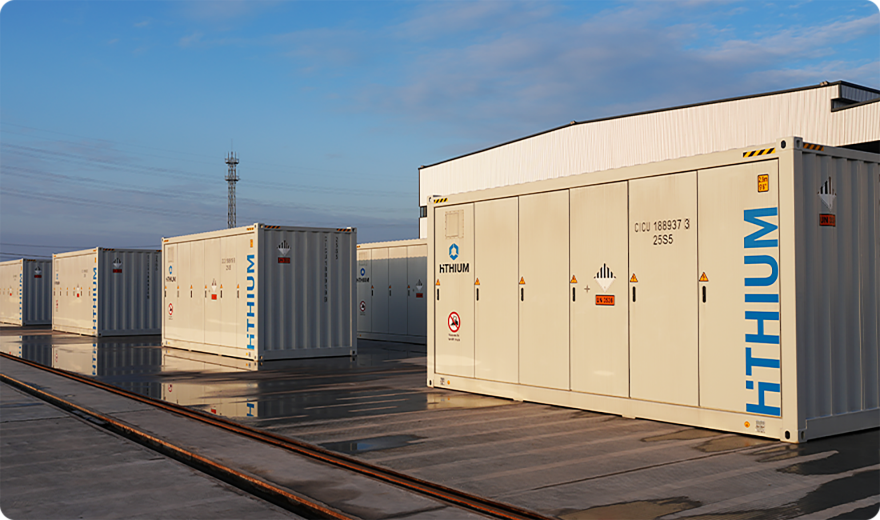
In closing, I’ve lived through the fixes that looked clever but failed. I prefer straightforward design checks and verifiable test data. If you want a partner who documents those checks, start the conversation with a firm that can show you logs and field cases. For practical sourcing and system insight, consider HiTHIUM.