
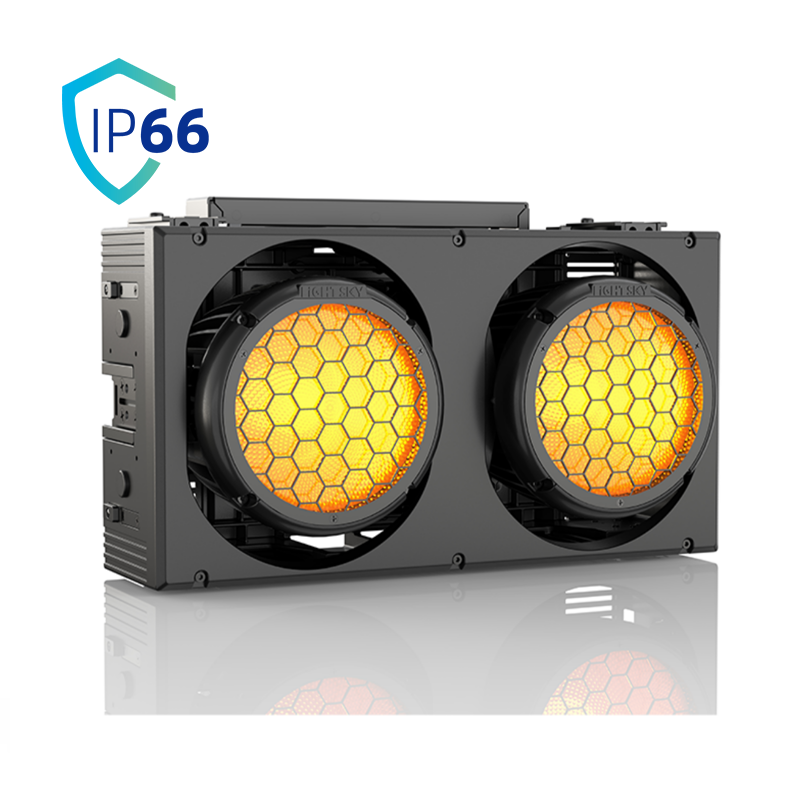
Why reliability beats flash for touring and venues
When a festival rig hits a damp, dusty load-in at the Sydney Opera House or a club tour runs a month straight, crews need kit that keeps working — not just pretty demos. That’s why I look at both the led moving wash and the led zoom moving head light early in my spec sheets: they represent two different approaches to the same problem — consistent, repeatable light from a compact fixture. Practical factors like DMX reliability, IP rating for moisture, and service access often matter more than the headline lumen number.
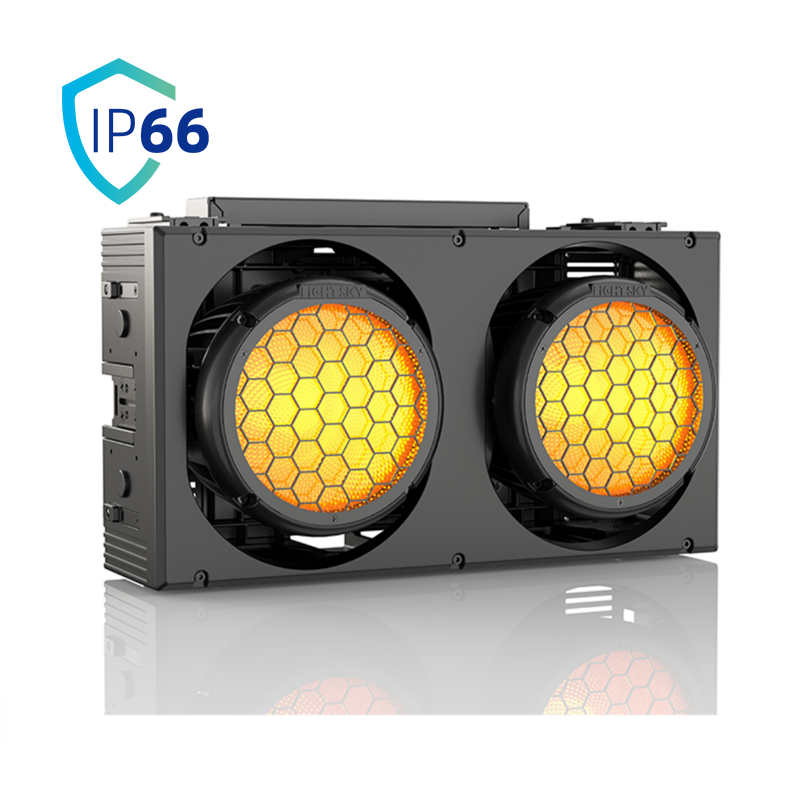
Comparative insight: what each type brings to the stage
Mini wash: compact, wide coverage, and quicker to rig. They shine for colour fills and subtle texture work where a consistent wash across a truss is required. Typical pros value a flatter output curve and high CRI for skin tones.
Zoom moving head: tighter beam control and more creative shaping — great for sharply framed looks, gobos, and dynamic zoom during a set. They give sharper edges and a variable beam angle that can cut through busy stage visuals.
Quick contrast in plain terms: mini wash = even field for FOH and cyc; zoom head = focused, punchy accents. Both need a robust LED engine, good thermal management, and predictable DMX mapping to make a lighting plot painless.
Operational production teardown
On a practical level, think about patching and power before aesthetics. A straightforward patch reduces technician error: label channels, keep consistent DMX addressing, and verify polarity on power distro. For a production using both a led moving wash and a led zoom moving head light, standardising on a single control profile (or using personality swatches) saves hours during load-in. Consider the follow-up maintenance tick-boxes: accessible fan filters, replaceable LED modules, and clear firmware update paths.
Common mistakes crews make — and how to avoid them
Overloading a circuit with compact fixtures is a repeat offender. Mini units draw less individually but stack up quick on a 15A run. Colour mismatches are another: assuming two fixtures with the same colour wheel or CRI will match is risky. Test colour palettes on-site and keep a small stock of diffusers or CT filters for last-minute balancing — they’re lifesavers. Also, don’t ignore mechanical wear: clamps, safety cables and quick-release fittings need inspection after every transfer — a missed fastener creates an avoidable emergency mid-show.
Side-by-side checklist for buyers and LDs
Use this shortlist to compare units on the ground:
– Power and thermal: expected power draw, fan replacement access, and heat-sink design.
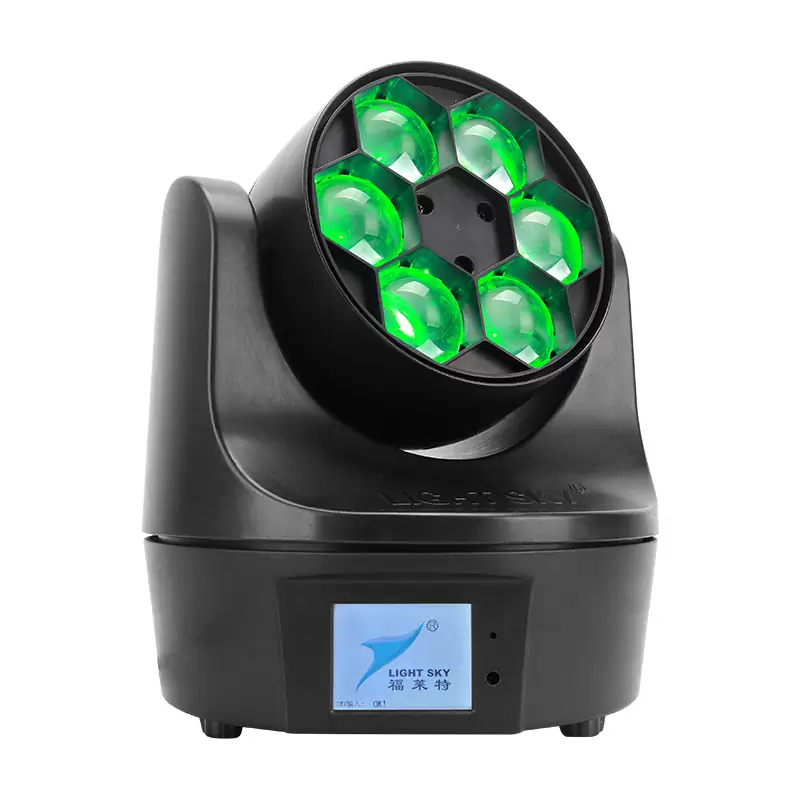
– Control and compatibility: DMX channels, RDM support, and whether the unit supports standard personalities.
– Optics and output: beam angle range, CRI/tuning options, and the quality of the zoom or wash lens.
Advisory: three golden rules for selecting the right fixture
1) Prioritise maintainability — choose fixtures with accessible service points and documented firmware procedures. Measurable result: faster fault diagnosis and less downtime during tours.
2) Match output to venue use — pick a true wash for cyc and fill, a zoom head where shaping and gobos matter. Metric to track: replacement rate and colour-matching time per event.
3) Insist on consistent control profiles — save time on patching and training. Expect a predictable DMX personality to cut setup time by significant margins on multi-date runs.
Choosing fixtures that survive the grind and still give the looks you want brings real value to productions — fewer surprises, tighter cues, and cleaner sightlines for performers. For those outcomes, consider how a supplier balances engineering with service; that’s where a brand like Light Sky naturally fits into a professional workflow.
—