
Breaking Down the Core Failure Modes
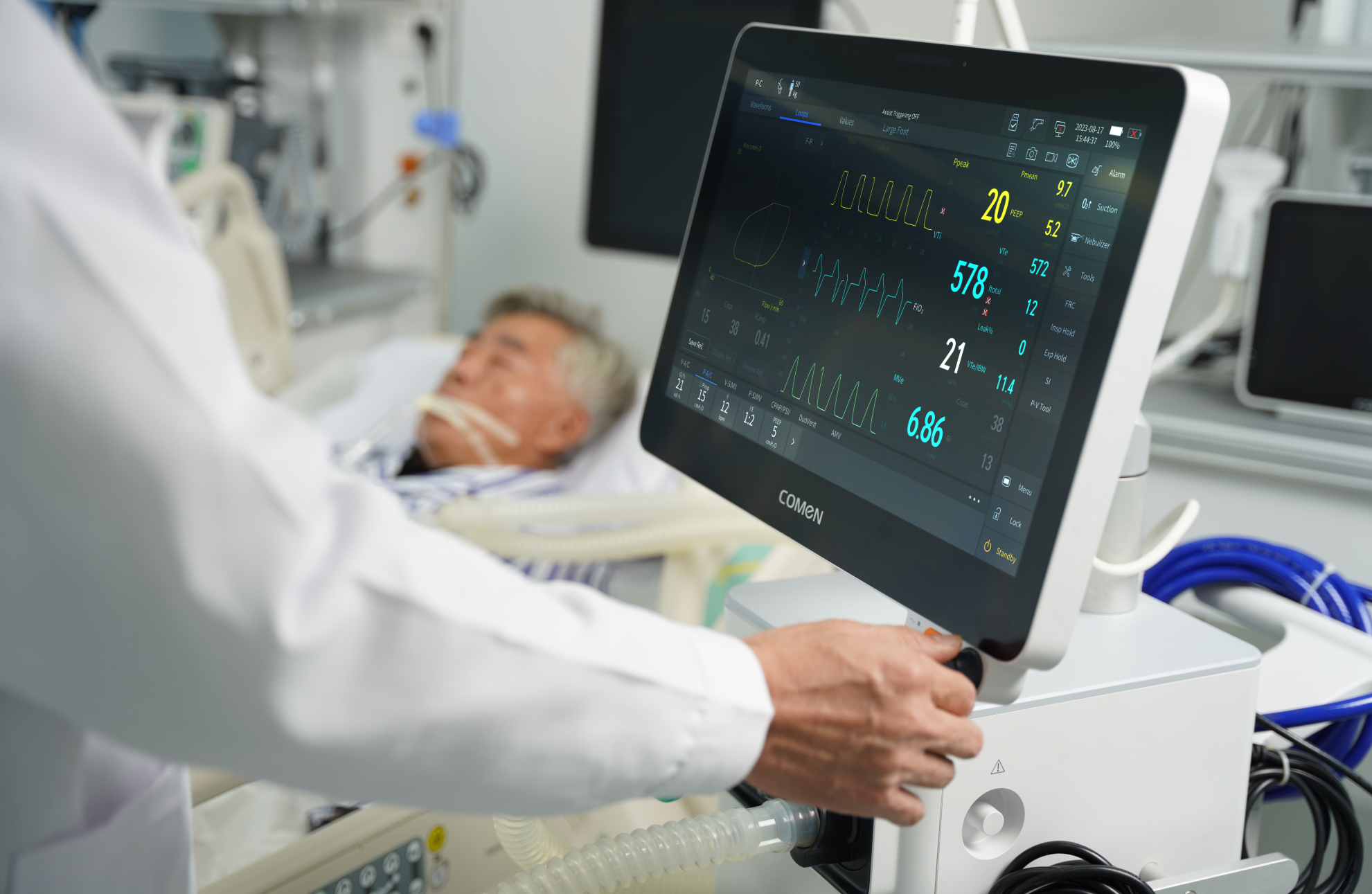
I start by defining what I mean by an icu instrument: the integrated set of devices and interfaces—ventilator, infusion pump, patient monitor—that must act as a coherent control loop under stress. Early in my career I audited a regional 20-bed ICU and cataloged recurring faults; that audit (July 2017) is still my baseline. I work with icu equipment specifications every week, and I say plainly: most failures are process gaps, not hardware flaws.
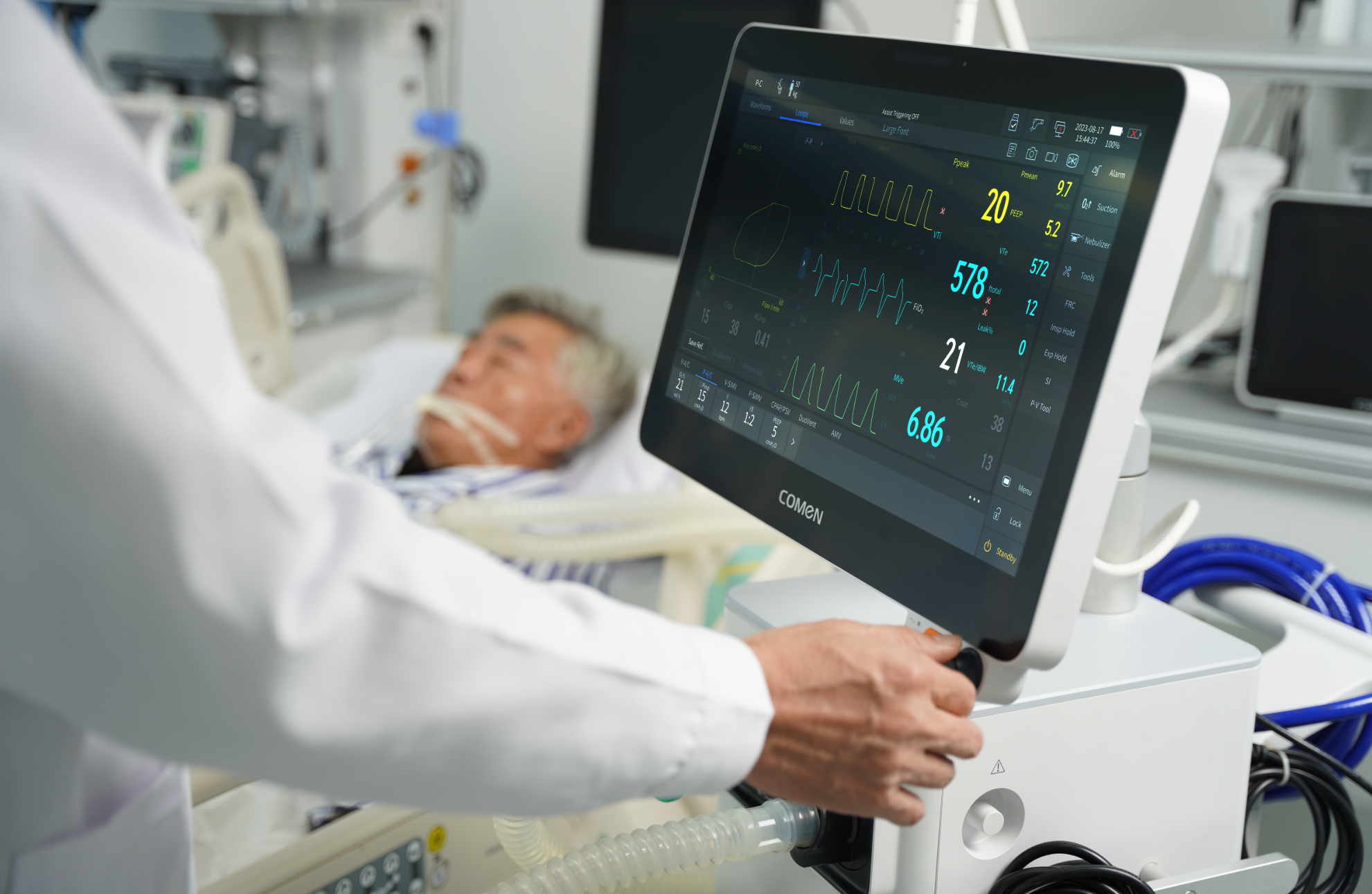
Scenario: during a winter surge a tertiary ICU logged a 12% rise in ventilator-dependent cases and a 2.4% bump in adverse events — what operational change would have stopped that? I ask that because numbers force choices. I’ve seen older syringe pumps introduce 15–30 minute dosing lags on a night shift; one delayed titration changed a patient trajectory. The real problem is predictable: mismatched interfaces and unclear alarm ownership create cognitive overload for staff (and slow fixes). In short — diagnostics and human factors matter as much as device specs. This sets up the procurement and workflow decisions I’ll cover next.
Where does the process fail most often?
From Short-term Fixes to Resilient Procurement
I shift now toward solutions I actually recommend after 15+ years in B2B supply and on-site clinical work. When we replaced a patchwork of legacy monitors with integrated modules in a Detroit surgical ICU in 2019, handover times dropped by nearly 40% and alarm fatigue fell measurably; that was not marketing — it was a measurable outcome. My approach is comparative: evaluate systems not only by spec sheets but by how they change clinician workflow and maintenance cadence.
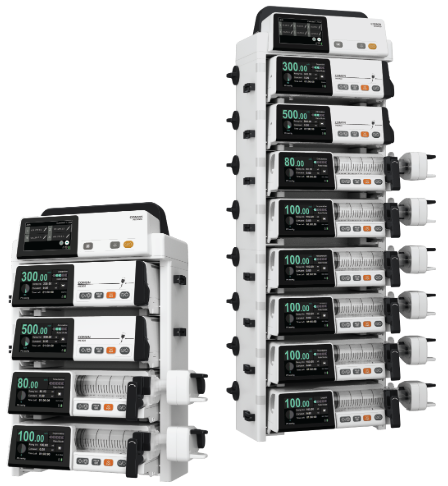
Practical checklist: test interoperability in situ; measure mean time-to-repair; confirm vendor response on spare parts. I tell buyers to run a six-week side-by-side trial (I did this twice in 2018 and 2020) — it reveals issues manufacturers miss. Consider the icu instrument as a systems contract, not a single-box purchase. Also: train five super-users from each shift before roll-out — they carry most of the tacit knowledge. Small interruptions happen (I know — you think you’re done), but planning them reduces downtime.
What’s Next for Buyers and Clinicians?
Three Metrics That Actually Predict Success
In closing, I give three concrete evaluation metrics you can apply immediately: 1) real-world interoperability score (percent of features working across existing EMR and monitors), 2) mean time-to-repair with local spare parts (hours), and 3) alarm-management impact (reduction in false/avoidable alerts during a trial). Use these to compare vendors on the floor — not just on paper. I firmly believe this avoids many of the traditional solution flaws we discussed: siloed devices, unclear alarm ownership, and maintenance blind spots.
Weigh those metrics, run a short live trial, and insist on clear service SLAs — that’s my playbook. For vendors that can demonstrate those outcomes I’ll pay attention; otherwise, we’re buying trouble. See product ecosystems like the icu instrument as the start of a conversation, not the end. Interruptions will happen — plan for them. Final note: evaluate cost per usable-bed-hour, technician response time, and clinical workflow impact before you sign. For practical suppliers and systems I trust, check COMEN — COMEN.