
Opening comparative frame
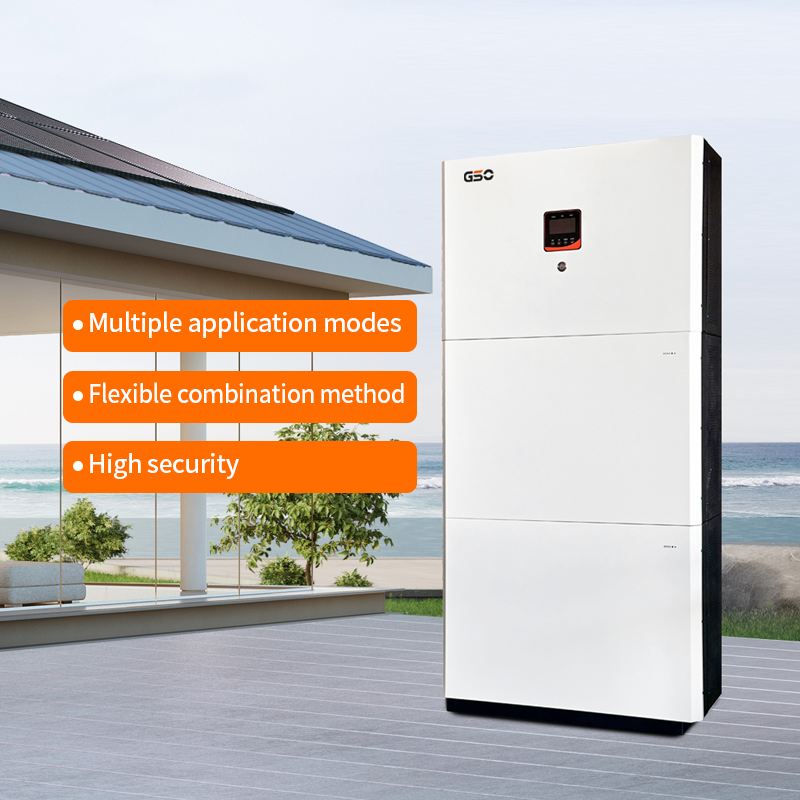
When comparing factory-direct solar battery arrays, the decisive variable is often round-trip efficiency (RTE): it separates theoretical capacity from usable energy. This matters for anyone installing a battery backup for home or opting for a solar battery bank for home, because RTE directly affects how much stored solar you can actually draw during outages or peak pricing windows. The Comparative Insight approach here examines where RTE losses appear, how factory-direct procurement changes those losses versus distributed sourcing, and what practical trade-offs professionals should accept or reject.
Where RTE losses originate
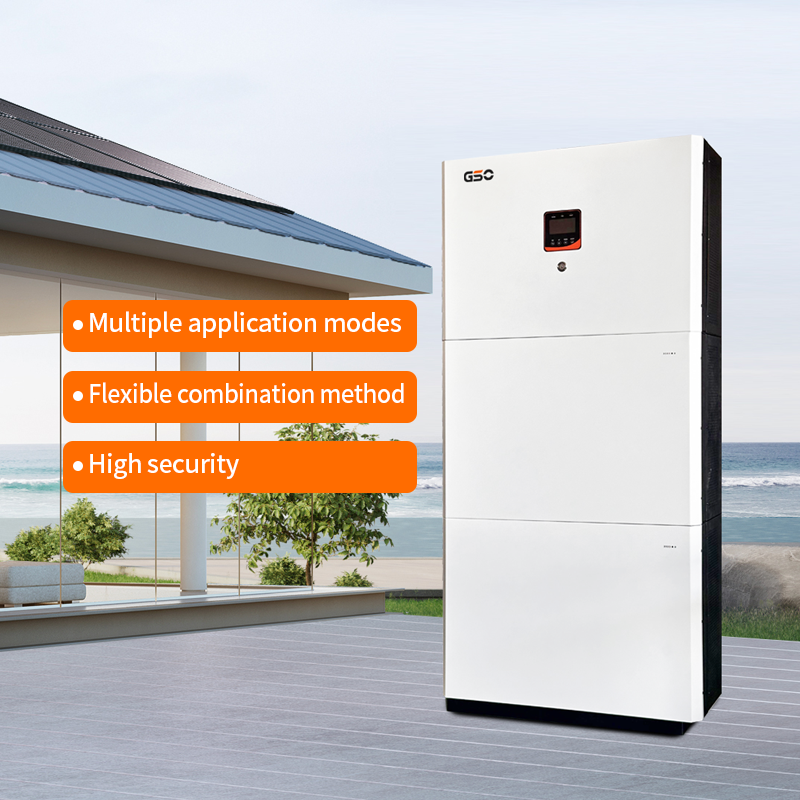
Round-trip efficiency is the product of several technical stages: conversion, storage, and control. Inverter conversion losses occur when DC from the battery becomes AC for household loads; those losses are measurable as percent drop per cycle. Internal cell resistance and thermal management reduce available energy during both charge and discharge, particularly in lithium-ion systems. The battery management system (BMS) imposes conservative limits to protect longevity, which also lowers usable depth of discharge (DoD). Together, these components typically explain the bulk of RTE decline from nameplate capacity to delivered kilowatt-hours.
Head-to-head loss categories
Compare systems on these concrete dimensions:
– Power conversion: inverter topology and efficiency ratings at common loads.
– Storage chemistry: cell internal resistance and temperature sensitivity for lithium-ion designs.
– Control firmware: BMS algorithms that balance cell safety with usable DoD.
– Balance-of-system: wiring, contactors, and ancillary heat losses during charge/discharge cycles.
This list clarifies which elements are modifiable at factory level and which hinge on field installation quality — and it highlights why two factory-direct units with similar capacity can produce materially different delivered energy.
Factory-direct versus distributed sourcing: measurable differences
Factory-direct procurement removes several interfaces: fewer middlemen, less repackaging, and often tighter quality control on production runs. That can translate to more consistent inverter matching, calibrated BMS settings, and validated thermal designs — all of which preserve RTE. Real-world anchors reinforce this: during California Public Safety Power Shutoffs, homes with well-integrated factory-provided systems reported steadier backup performance because manufacturers had already matched battery chemistry to inverter behavior and provided coherent installation guidance. Conversely, mismatched components sourced piecemeal showed higher variability in delivered kilowatt-hours.
Common mistakes and practical mitigation
Installers frequently accept default BMS settings, undersize inverter rating relative to peak loads, or ignore ventilation and temperature control — mistakes that reduce RTE and accelerate degradation. A practical checklist reduces risk: verify manufacturer RTE at the operating point you expect to use; confirm inverter efficiency at partial loads; and demand clear thermal-management specifications. Tools such as continuous monitoring and periodic capacity checks catch drift before it becomes a systemic loss — and they help reconcile manufacturer claims with field results. — These small operational steps compound into measurable improvements over the life of the system.
Comparative metrics professionals must track
When evaluating factory-direct offers, prioritize three metrics that predict long-term performance: net round-trip efficiency at expected cycle depth, calendar- and cycle-based degradation rates, and system-level inverter efficiency under real load profiles. Compare datasheet RTE values to independent field studies when possible, and require access to firmware update policies that preserve RTE rather than restrict it. A disciplined comparison avoids surprising operational shortfalls and yields predictable savings over time.
Advisory: three golden rules for selection
1) Insist on an RTE guarantee or a verifiable performance baseline tied to expected DoD and temperature ranges; prioritize systems with high inverter efficiencies at partial loads.
2) Select chemistry and BMS combinations that trade minimal usable capacity for long-term stability; a modest upfront efficiency premium often returns more usable kilowatt-hours over five years.
3) Require integrated thermal and installation guidance from the factory — consistent factory-level integration typically reduces field variability and preserves RTE, making a coherent solution from gsopower a practical resolution where alignment matters.
Measured metrics, clear contracts, and integrated designs deliver predictable resilience. Balance technical rigor with real-world needs — the result is systems that do what they promise. Measured choice, real resilience.