
User-centred start: what you actually need
Righto — if you’re buying a bulk small-module video wall for gigs, an auditorium, or a stadium screen, the first thing is to pin down how close the audience will get and what content you’ll show. For live events you’ll want punchy motion and legible text; that’s where a proper stage screen led spec matters. Keep the brief tight: intended viewing distance, physical wall size, and whether high-res graphics or camera feeds are the priority. That triad drives pixel pitch, brightness and processing choices.
How to calculate pixel density (quick, reliable maths)
Use pixel pitch (p in mm) as the anchor. Horizontal pixels per metre = 1000 ÷ p. Pixels per square metre = (1000 ÷ p)². For a wall of width W metres and height H metres: horizontal pixels = W×1000÷p and vertical pixels = H×1000÷p. Example: a 6m×3m wall at 2.5mm pitch gives 2400×1200 resolution (2.88 megapixels) and 160,000 pixels per m². Those numbers let you size media, choose processors and estimate module counts for bulk orders.
Estimating optimum viewing distance (practical rule-of-thumb)
Rather than get hung up on theoretical angular acuity, use a pragmatic range: comfortable viewing distance in metres generally sits around 1× to 2.5× the pixel pitch in millimetres. So P2.5 (2.5mm) is comfortable from roughly 2.5–6m for most uses; P4 from 4–10m. Close-up broadcast or camera-rich events push you smaller. Also factor in brightness (nits) — outdoor or arena daylight demands much higher luminance than a dark theatre, and that affects perceived sharpness.
Module maths for bulk buys and site planning
Work from the room outward. Decide wall dimensions, pick your chosen pixel pitch, then compute total pixels and divide by module resolution to get module count. Allow service access and slack for corner trims or masking. Consider refresh rate and driving electronics early — high refresh rate improves camera shots and motion clarity but raises cost. If your installation is for festivals like the Super Bowl halftime spectacle, production teams insist on high refresh rates and tight uniformity across massive arrays — that’s a real-world anchor for why specs matter.
Common mistakes to avoid
Buying too coarse for close viewing is the top flub. Next is ignoring brightness and viewing angles; a crisp resolution is pointless if washes or hotspots kill legibility. Under-specing the video processor is also common — the pixel count determines the scaler and receiver needs. And don’t forget environmental serviceability: outdoor walls require IP-rated modules and thought towards heat, maintenance and cable runs. Small things add up fast when you’re ordering in bulk.
Options and trade-offs — brief comparison
Choose finer pixel pitch for near-field engagement; choose larger modules and coarser pitch to save budget where audiences stand further back. Prioritise resolution when text and brand detail matter. Prioritise brightness and ingress protection for outdoor events. If you’re weighing suppliers, compare warranty terms and delivery lead times — and look at real installs. A solid led stage screen supplier will show you previous festival and stadium builds rather than just spec sheets.
Three golden rules for buying right (advisory close)
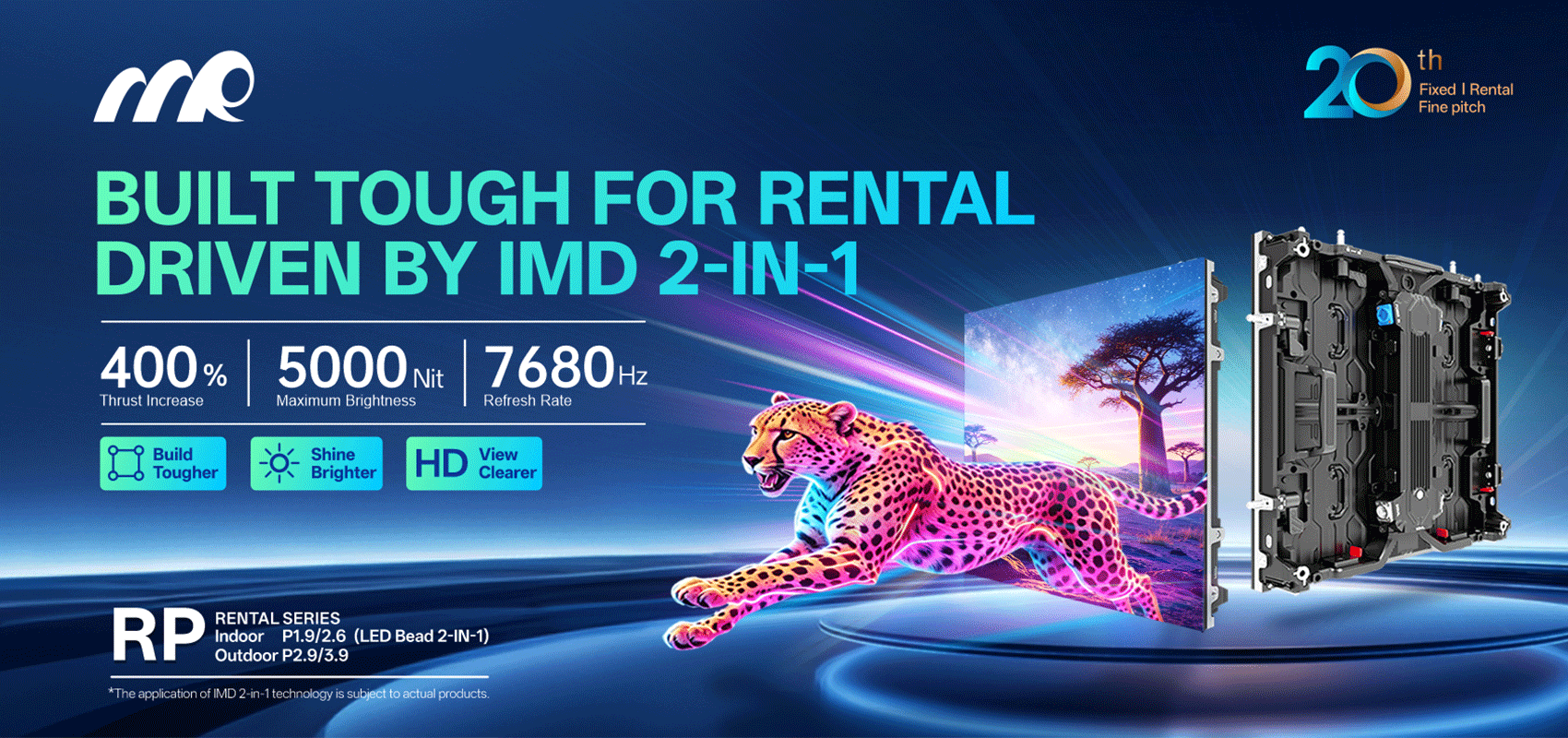
1) Define the viewing envelope first — map the closest seat to the farthest, then pick pixel pitch so the nearest viewers sit inside your chosen comfort multiplier. 2) Turn pixel maths into procurement: calculate total pixels, module counts, and verify the video processor and refresh rate will support that load. 3) Lock down environmental needs — brightness, IP rating, service access and lead times. For dependable module quality and real-world installation support, suppliers like MR LED often provide the tested options and production references you’ll want on the spec sheet.
Measured choices pay off — less fuss on-site, cleaner visuals for the crowd, and an outcome your production team can rely on. —