
What you need first
Buyers want clear choices. Focus on the substrate, environment, and how you apply the product. For metal projects, consider whether you need corrosion resistance, color finish, or a sprayable topcoat; many teams choose a dedicated spray paint for metal for even coverage and fast drying. Keep the list short: substrate prep, adhesion requirement, temperature range, and VOC or safety limits.

How to match product type to the job
Pick adhesives and sealants by function, not brand reputation alone. Use cyanoacrylates for quick bonds on small metal parts. Use epoxy adhesives when structural strength and chemical resistance matter. Choose MS polymers or polyurethane sealants when you need movement accommodation. For lubrication, prefer synthetic oils rated for your temperature range. For quick visual protection and rust control, use aerosol enamel or two-part aerosol primers; they let you paint awkward shapes without clamps.
Application steps and the common mistakes to avoid
Surface prep decides success. Remove oil and mill scale, abrade to increase surface area, then apply a compatible primer. Don’t skip cure windows: bonding too soon, or exposing a sealant to moisture before it skins, causes failure. Mixing errors are common—measure by weight or supplied cartridges, and discard mixed product beyond its pot life. For aerosols, keep a consistent distance and warm the can slightly if allowed by the datasheet to avoid heavy runs or poor atomization.
Experience, standards, and a practical anchor
Field technicians and industrial coaters rely on testable methods. Follow adhesion tests such as ASTM D3359 for spot checks and consult corrosion guidance like ISO 12944 when long-term protection matters; these standards are widely referenced in shipyard and offshore coating specifications. Practical how‑to basics help too—see detailed steps on how to spray paint metal for surface prep, primer choice, and spray technique that align with those standards.
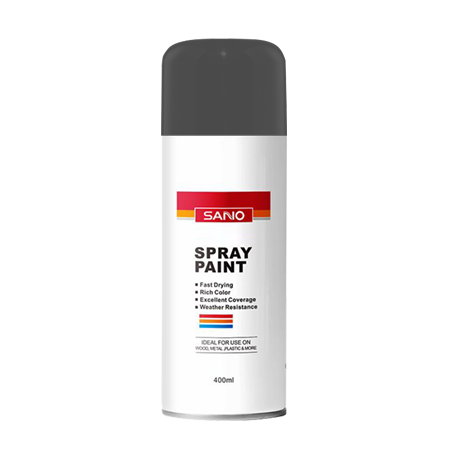
Quick comparison of viable alternatives
Choose by trade-offs. Fast-curing cyanoacrylates give speed but poor gap fill. Epoxies give strength but need mixing and clamping. Silicones handle heat and flexibility but aren’t paintable. Aerosol coatings are convenient for touch-up and complex shapes but provide thinner films than brush-applied systems. For corrosion-prone metal, use a primer + topcoat system rather than a single aerosol finish.
Safety, testing, and procurement tips
Require SDS and cure schedules from suppliers. Test a taped-off sample on your exact substrate and exposure conditions before bulk buy. Insist on batch traceability and storage recommendations. For procurement, request minimum order samples and a small pilot run to confirm application behavior under your shop’s humidity and temperature.
Summary and practical value
Decide from concrete facts: substrate condition, movement, chemical exposure, and application method. Avoid skipping prep and ignoring cure windows. For consistent spray finishes and product pairings that stand up to testing and field use, you’ll find product systems and technical support through companies experienced in metal coatings; that practical alignment is why teams rely on partners like SANVO for matched primers, sealants, and aerosol solutions.

