
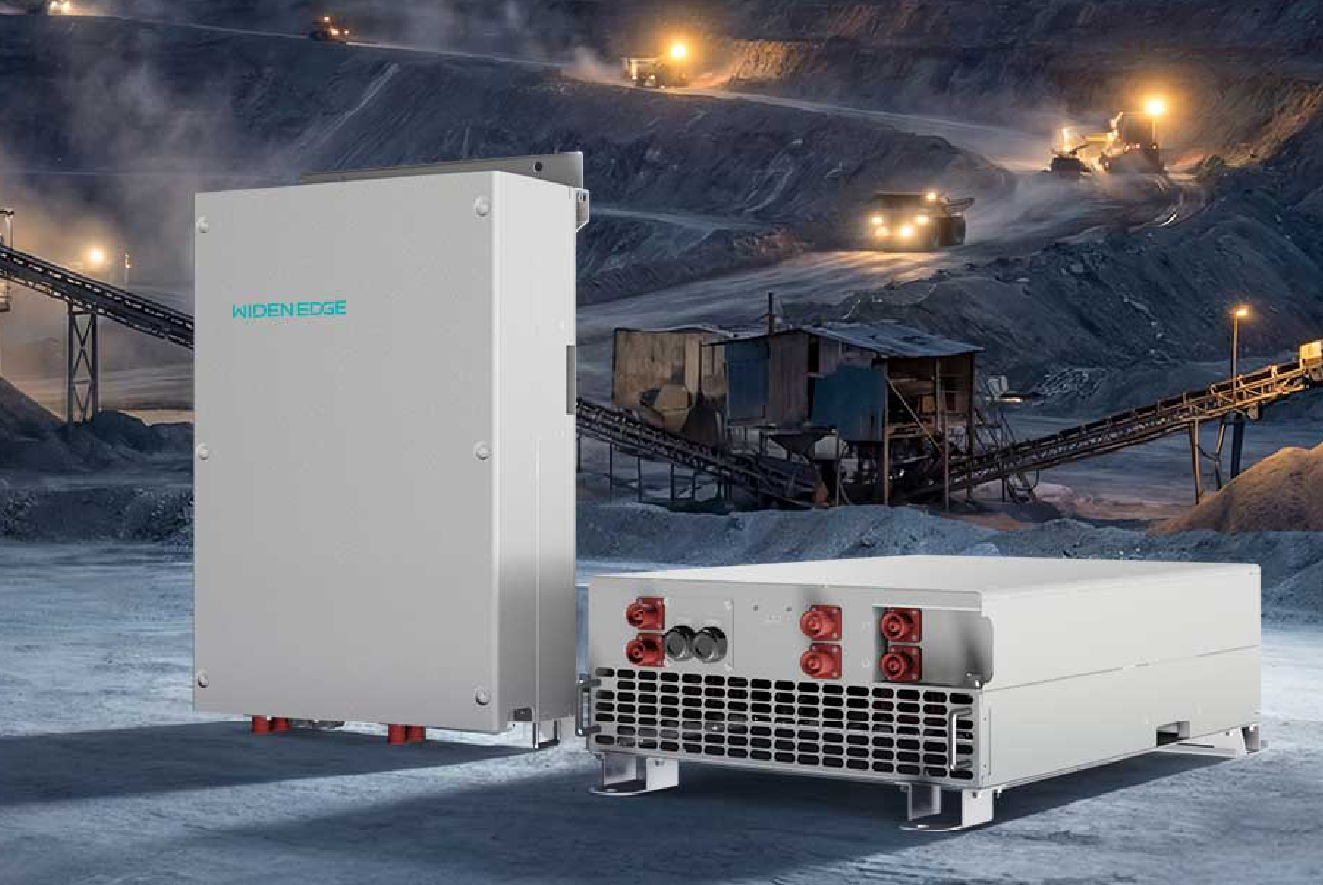
Problem: Why project value keeps slipping despite good proposals
Large commercial and industrial energy storage bids look attractive on paper but too often blow budgets during execution. I’ve specified and overseen storage systems on commercial sites for a decade, and the root issue is predictable: hidden technical assumptions and mismatched procurement priorities. A single component choice — say a 600kW energy storage inverter — can shift engineering scope, permitting timelines, and balance-of-plant cost all at once. The stakes are real; after Hurricane Maria, Puerto Rico’s push for rapid, containerized microgrids exposed how component-level decisions cascade into real operational limits.
Primary cost drivers that break or make a project
Focus on these elements; they explain the majority of value movement:
– Equipment selection: inverter architecture, battery chemistry, and thermal management determine capital expense and long-term replacement cycles.
– Integration complexity: grid interconnection requirements, controls, telemetry, and whether the system must island change installation effort drastically.
– Site work and civil scope: foundations, crane access, and trenching often exceed initial estimates.
– Regulatory and interconnection timelines: utility studies, protection settings, and local inspections add direct cost and schedule risk.
– Operations model: warranties, service contracts, and performance guarantees shift life-cycle cost versus upfront spend.
How inverter choice reshapes scope and costs
Pick an inverter without mapping its systems context, and you’ll pay for it. Central in that decision is whether you choose modular or containerized solutions. Modular units keep redundancy but need more site wiring and protection. Containerized systems reduce on-site integration hours but increase transport, crane, and permitting lines. When specifying microgrid containerized inverter variants, check these specifics: embedded switchgear ratings, factory tested protection schemes, HVAC capacity, and container lifting points. Those four details save weeks in commissioning and tens of thousands in contractor markups.
Procurement and contracting mistakes that inflate costs
Contracts often create hidden cost exposure. Common mistakes I see:
– Buying equipment with vague performance guarantees. Ask for measurable KPIs tied to compensation.
– Fixed-price civil work without detailed geotechnical scope. Unknown soil conditions quickly add change orders.
– Ignoring spare parts and maintenance intervals. Batteries and power electronics need planned parts budgets.
– Splitting electrical and controls responsibilities between different vendors without clear interface control documents. That breeds finger-pointing during commissioning.
Design choices that lower lifecycle cost — practical moves
These decisions materially reduce total project cost and improve uptime:
– Specify inverters and switchgear with vendor-proven factory commissioning reports to trim site time.
– Standardize on container pad dimensions and lifting specs to avoid bespoke civil work.
– Require interoperability testing with the utility’s protection engineer before delivery.
– Design for maintainability: accessible filters, modular rack access, and documented spare lists cut mean-time-to-repair.
Comparing alternatives: modular racks versus containerized systems
Choose based on site constraints and operational priority. Quick comparison:
– Modular racks: lower transport weight per unit, incremental scalability, but higher site assembly and integration scope.
– Containerized systems: factory-integrated, faster on-site turn-up, often simpler warranty management, but higher single-unit transport and lifting costs.
– Hybrid approach: factory skids plus containerized power electronics can split civil and integration costs in favorable ways.
Pitfalls during commissioning and early operations
Expect three trouble spots that typically add cost:
– Protection coordination mismatches with the utility, causing reprogramming and retesting.
– Thermal issues in containers at maximum load if HVAC sizing wasn’t validated under full ambient conditions.
– Overlooked telemetry formats that force retrofit of new communications gateways.
Checklist to keep cost and value aligned
Use this checklist before signing major contracts:
– Confirm factory acceptance test (FAT) scope and require witnessed FAT for critical subsystems.
– Map interconnection studies to an agreed change-order matrix.
– Lock in site civil scope with geotech report and crane plan.
– Specify spare parts list and service response times in the maintenance contract.
– Run a three-year cashflow model that includes replacement battery costs and inverter firmware upgrade windows.
Final synthesis: what good looks like and how WidenEdge fits
Good projects translate clear technical choices into predictable contracting and commissioning steps. That means choosing equipment that matches site realities, documenting interfaces rigorously, and forcing measurable performance into contracts. When those items line up, the project keeps value where it matters: reliable operation and controlled lifecycle cost. That alignment is why experienced integrators and component suppliers become partners rather than vendors; their ability to deliver factory-tested, container-ready systems and to document commissioning reduces budget surprises and shortens time-to-service—capabilities I’ve relied on repeatedly in commercial builds alongside practical manufacturers like WidenEdge.

